






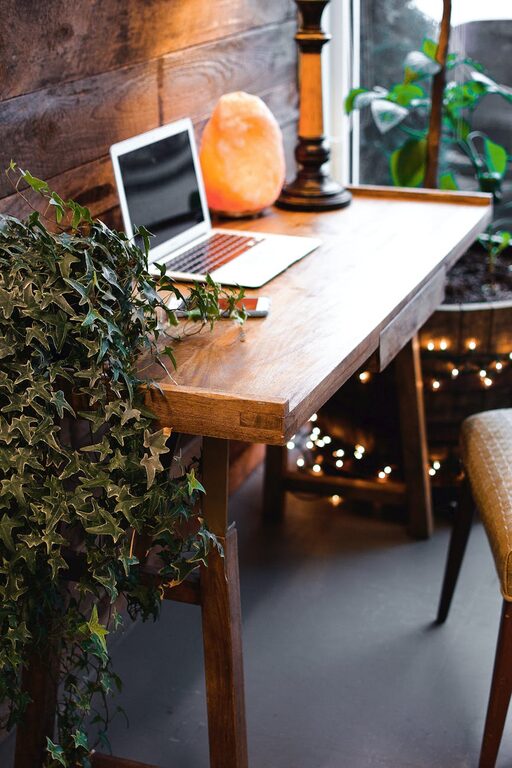
Creating a home workspace that is both cozy and functional can greatly improve your productivity and overall well-being. Whether you work remotely full-time or occasionally bring tasks home, having a dedicated, inviting area helps separate work from personal life and keeps you motivated. In this post, we’ll explore tips to design a space that feels comfortable and supports your work needs.
Why a Cozy and Functional Workspace Matters
A well-designed workspace impacts many aspects of your workday. Comfort prevents physical strain, while an organized layout reduces distractions and saves time. When your workspace feels welcoming, you’re more likely to stay focused and enjoy your work routine.
Choosing the Right Location
Start by selecting the best spot in your home for your workspace:
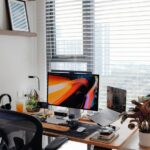
– Natural Light: Position your desk near a window if possible. Natural light helps reduce eye strain and lifts your mood.
– Quiet Area: Pick a place away from high-traffic or noisy areas to minimize interruptions.
– Space Consideration: Make sure the area has enough room for your desk, chair, and any storage or equipment you need.
Invest in Comfortable Furniture
Comfort plays a key role in maintaining long work hours:
– Ergonomic Chair: Choose a chair that supports your back and promotes good posture.
– Desk Height: Ensure your desk height allows your arms to rest comfortably while typing or writing.
– Adjustable Features: Consider adjustable desks or chairs if you want flexibility between sitting and standing.
Organize to Maximize Functionality
Keeping your workspace organized helps you find what you need quickly and reduces clutter:
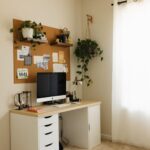
– Storage Solutions: Use shelves, drawers, or file organizers to keep documents and tools tidy.
– Desk Accessories: Keep essentials like pens, notebooks, and chargers within reach using desk organizers.
– Cable Management: Use clips or cable organizers to keep wires neat and avoid tangles.
Add Cozy and Personal Touches
A workspace should feel inviting to encourage you to spend time there:
– Soft Textiles: Add cushions or a small throw blanket to your chair for extra comfort.
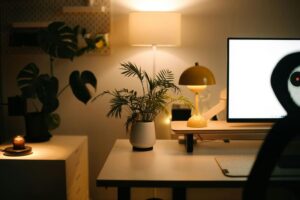
– Plants: Indoor plants improve air quality and add a touch of nature.
– Artwork or Photos: Decorate your walls or desk area with items that inspire you without being distracting.
Optimize Lighting
Proper lighting reduces eye strain and sets a productive mood:
– Task Lighting: Use a desk lamp with adjustable brightness to focus on your work.
– Ambient Lighting: Supplement natural light with warm overhead lights or floor lamps to keep the space well-lit throughout the day.
Minimize Distractions
Creating boundaries helps you focus during work hours:
– Dedicated Work Zone: Use a room divider or a defined corner to separate work from rest areas.
– Use Noise Control: Consider noise-canceling headphones or soft background music if you’re in a noisy environment.
– Limit Digital Interruptions: Turn off unnecessary notifications and use apps that block distracting websites during work time.
Keep Your Workspace Clean and Maintained
A tidy workspace feels welcoming and helps maintain your focus:
– Daily Tidying: Spend a few minutes each day putting things back in place.
– Regular Deep Cleaning: Clean surfaces, dust, and clear out unneeded items weekly or monthly.
– Fresh Air: If possible, open a window occasionally to refresh the space.
Incorporate Technology Thoughtfully
Technology should support your work without becoming an obstacle:
– Reliable Equipment: Invest in a good computer, keyboard, and mouse that suit your work needs.
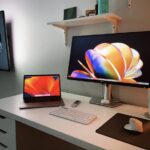
– Efficient Setup: Arrange monitors and devices ergonomically to reduce neck and eye strain.
– Backup Solutions: Use cloud storage or external drives to keep your important files safe.
Establish a Routine Around Your Workspace
Design your workspace in a way that encourages a healthy work routine:
– Start and End Rituals: Create habits like a morning coffee or a closing checklist to signal work time.
– Break Area: If space allows, have a separate spot near your workspace where you can rest during breaks.
– Time Management: Use timers or apps to schedule focused work sessions and regular breaks.
Final Thoughts
Designing a cozy and functional home workspace is about balancing comfort, organization, and personal style. Small changes, like adding a plant or improving lighting, can make a big difference. By creating a space that suits your needs and preferences, you set yourself up for a more enjoyable and productive workday.
Take time to assess your current setup and gradually implement these tips to transform your home workspace into a comfortable and efficient zone that supports your goals.