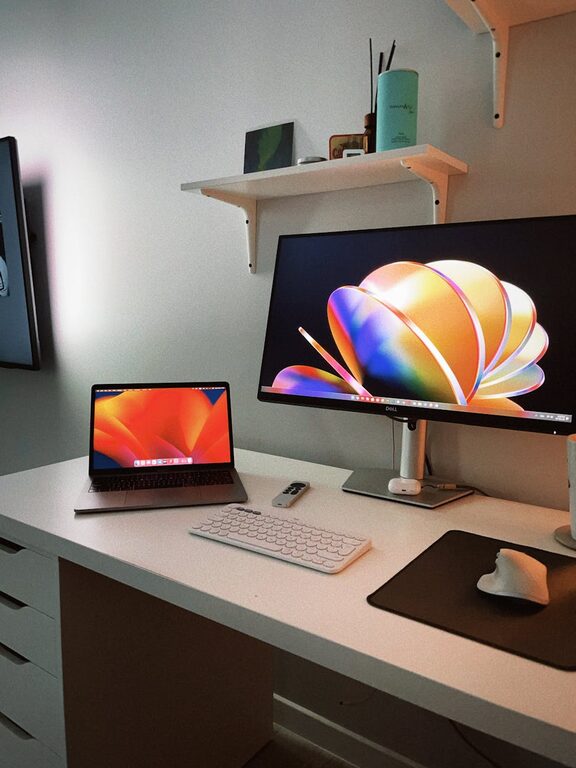









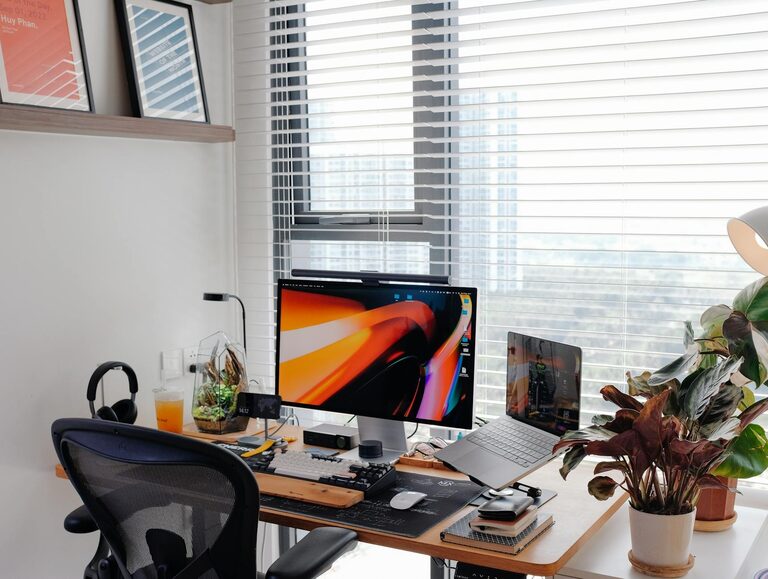
Creating a productive home office environment is essential for anyone working remotely or running a business from home. A well-designed space can help you stay focused, reduce distractions, and improve your overall work performance. Whether you have a dedicated room or just a small corner, these tips will guide you through setting up an efficient and comfortable home office.
1. Choose the Right Location
Picking the right spot for your home office is the first step toward productivity. Ideally, select a quiet area away from heavy foot traffic and household distractions. If possible, use a separate room with a door to help mentally separate work from home life.
Tips:
– Avoid noisy areas near the TV or kitchen.
– Find a space with plenty of natural light.
– Consider the proximity to electrical outlets.
2. Invest in Comfortable and Functional Furniture
Since you’ll spend many hours at your desk, comfortable furniture is a must. Ergonomic chairs and adjustable desks help maintain good posture and reduce strain.
Furniture essentials include:
– An ergonomic office chair with lumbar support.
– A desk at the right height for you.
– A footrest if your feet don’t comfortably reach the floor.
Consider investing in a desk with storage to keep your workspace tidy and free from clutter.
3. Optimize Lighting
Good lighting reduces eye strain and boosts mood. Natural light is best, so position your desk near a window if you can. When that’s not an option, choose bright, adjustable LED lights that mimic daylight.
Lighting tips:
– Use a desk lamp with adjustable brightness.
– Avoid glare on your computer screen by placing light sources to the side.
– Consider warm lighting for a cozy atmosphere during early mornings or evenings.
4. Declutter and Organize Your Workspace
A messy desk can impact your focus and create unnecessary stress. Keep only the essentials on your desk to maintain a clear and inviting space.
Organization ideas:
– Use trays, file holders, or drawers to store documents.
– Implement a daily or weekly cleaning routine.
– Use cable organizers to manage cords and chargers.
5. Personalize Your Space Mindfully
Adding a few personal touches can make your home office more enjoyable, but avoid overdecorating. Too many distractions can hinder productivity.
Personalization ideas:
– Display inspiring quotes or photos.
– Add a small plant for a touch of nature.
– Use colors that promote calm or concentration, like blues or greens.
6. Manage Noise Levels
Background noise can affect concentration. Consider noise-canceling headphones if you live in a busy or noisy area.
Other noise management tips:
– Use rugs or curtains to absorb sound.
– Play soft instrumental music or white noise if it helps you focus.
– Inform household members of your work hours to minimize interruptions.
7. Establish Clear Boundaries and Routines
Setting boundaries between work and home life helps maintain work-life balance and reduces burnout.
Suggestions:
– Define your work hours and communicate them with family or housemates.
– Take regular breaks away from your desk.
– Create a startup and closing routine to signal the beginning and end of your workday.
8. Ensure Good Technology Setup
Reliable technology and a stable internet connection are crucial for productivity.
Tech tips:
– Use a high-quality monitor, keyboard, and mouse.
– Back up your work regularly.
– Keep software and security systems updated.
– Consider a surge protector to protect your electronics.
9. Incorporate Movement Opportunities
Working for long periods can lead to stiffness and fatigue. Design your space to encourage movement.
Ideas include:
– Using a sit-stand desk.
– Setting a reminder to stretch or walk every hour.
– Adding a small area for light exercises.
Conclusion
Creating a productive home office environment takes some planning and adjustments, but the benefits are well worth it. By choosing the right location, prioritizing comfort, organizing intelligently, and managing distractions, you can build a workspace that supports your best work. Remember, productivity isn’t about perfection—it’s about creating a routine and environment that works best for you. Happy working!