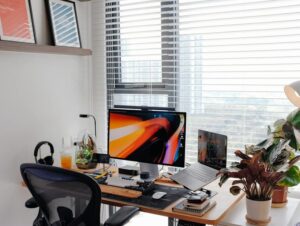









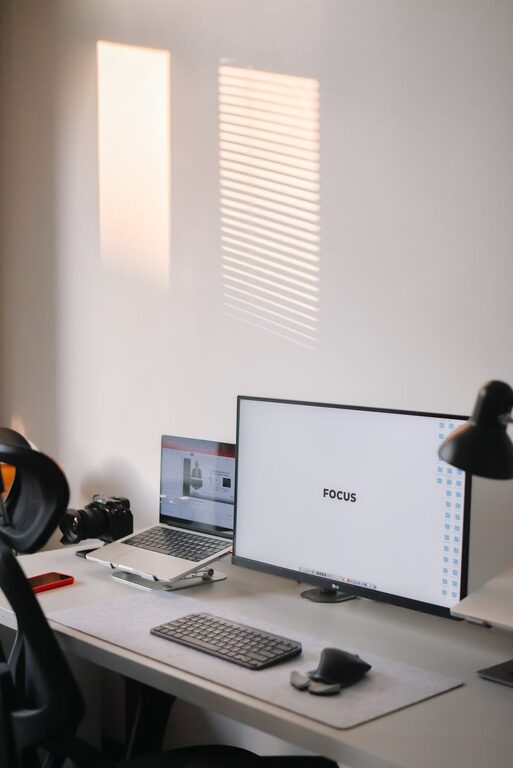
Creating an organized and efficient home workspace can have a significant impact on your productivity, focus, and overall work satisfaction. Whether you work remotely, study, or just need a dedicated spot for managing personal projects, a well-arranged workspace helps minimize distractions and keeps you motivated throughout the day.
In this blog post, we’ll explore practical tips for organizing your home workspace to improve productivity and create a space you enjoy spending time in.
1. Choose the Right Location
The first step in designing an effective workspace is finding the best location in your home. Consider the following factors:
– Natural Light: A spot near a window can boost mood and energy.
– Quiet Environment: Select a space with minimal noise or interruptions.
– Comfortable Space: Make sure there’s enough room for your desk, chair, and equipment.
If space is limited, a small corner or even a foldable desk can work well. The key is to designate a consistent area solely for work.
2. Declutter Your Desk
A cluttered desk can cause distractions and stress. Here’s how to keep your desk tidy:
– Limit Items: Only keep essentials like your computer, notepad, and a pen holder.
– Use Storage Solutions: Small boxes, drawers, or trays can keep documents and stationery organized.
– Daily Clean-Up: Spend 5 minutes at the end of each day clearing unnecessary items.
By keeping your desk clutter-free, your mind is less likely to wander, and you’ll find it easier to focus.
3. Invest in Ergonomic Furniture
Comfort is crucial for productivity, especially when you spend many hours working. Ergonomic choices include:
– Comfortable Chair: Supports your lower back and encourages good posture.
– Desk Height: Adjust your desk or chair so your elbows are at a 90-degree angle when typing.
– Monitor Position: Place your screen at eye level to avoid neck strain.
Ergonomic furniture reduces fatigue and helps maintain your concentration longer.
4. Organize Your Supplies and Equipment
Keep your work tools easily accessible but neatly stored:
– Desk Organizers: Pen holders, paper trays, and cable organizers keep items in order.
– Labeling: Use labels for files and storage boxes to find things quickly.
– Digital Tools: Store important files and notes on your computer or cloud to reduce paper.
Setting up a system for your supplies eliminates the frustration of searching for items during work.
5. Improve Lighting
Proper lighting reduces eye strain and creates a pleasant workspace:
– Natural Light: Make use of daylight when possible.
– Task Lighting: Use adjustable desk lamps for focused light on your work area.
– Avoid Glare: Position screens and lamps to minimize reflections.
Good lighting helps maintain energy and reduces headaches and fatigue.
6. Personalize Your Space Mindfully
A workspace that feels welcoming can motivate you while working, but avoid overdecorating:
– Add Plants: Small plants can improve air quality and create a calming atmosphere.
– Inspirational Items: Frame a positive quote or a photo.
– Color Choice: Use calm colors like blues or greens, which can enhance focus.
Personal touches make the space your own, contributing to better work mood and comfort.
7. Establish a Routine for Maintenance
An organized workspace requires ongoing attention:
– Weekly Check: Take time each week to tidy up your desk and rearrange as needed.
– Review Organization: Adjust storage or supplies based on what works best for you.
– Stay Consistent: Use your workspace daily to build positive work habits.
Routine maintenance ensures your workspace continues to support productivity over time.
8. Limit Distractions
An organized workspace also means managing potential distractions:
– Turn Off Notifications: Silence phone and computer alerts during focused work.
– Use Noise-Cancelling Headphones: Helpful if you can’t control ambient noise.
– Define Boundaries: Let family members or roommates know your work hours.
Minimizing distractions will help you complete tasks more efficiently.
—
Creating an effective home workspace is about combining organization with comfort and personalization to meet your individual needs. With these tips, you can transform your work environment to boost focus, reduce stress, and increase productivity — all while enjoying your time at home. Remember, small improvements can lead to big results over time!